

Artificial intelligence (AI) has significantly impacted content creation across multiple industries. The growing need for high-quality digital content has led creators and marketers to adopt AI-powered solutions that automate production processes and improve content quality. AI systems now generate written content, produce visual media, and assist in various stages of content development and distribution.
AI content creation utilizes data analysis, machine learning algorithms, and natural language processing to produce targeted material for specific audiences. These technologies analyze user behavior patterns, preferences, and engagement metrics to optimize content performance. Research indicates that AI-generated content can increase audience engagement rates and improve conversion metrics when properly implemented.
Current AI applications in content creation include automated article writing, social media post generation, video editing, graphic design, and personalized content recommendations. Major platforms and businesses have integrated AI tools to scale their content production while maintaining consistency and relevance. The technology enables real-time content optimization based on audience feedback and performance data, allowing for more precise targeting and improved user experiences.
Natural Language Processing and Generation
Natural Language Processing (NLP) is a subset of AI that focuses on the interaction between computers and human language. It encompasses a variety of techniques that allow machines to understand, interpret, and generate human language in a way that is both meaningful and contextually relevant. NLP has become a cornerstone of AI-driven content creation, enabling systems to analyze vast amounts of text data and produce coherent narratives that mimic human writing styles.
One of the most notable applications of NLP is in the realm of content generation. Tools like OpenAI’s GPT-3 have demonstrated remarkable capabilities in generating articles, blog posts, and even poetry. By training on diverse datasets, these models can produce text that is not only grammatically correct but also contextually appropriate.
For instance, a marketing team can utilize AI to generate product descriptions that highlight key features while maintaining an engaging tone. This not only saves time but also allows for rapid scaling of content production without sacrificing quality. Moreover, NLP facilitates sentiment analysis, which helps creators understand audience reactions to their content.
By analyzing comments, reviews, and social media interactions, AI can gauge public sentiment and provide insights into what resonates with readers. This feedback loop enables content creators to refine their strategies and produce material that aligns more closely with audience preferences.
Personalized Content Recommendations

In an era where consumers are inundated with information, personalized content recommendations have become essential for capturing attention and fostering engagement. AI algorithms analyze user behavior, preferences, and demographics to deliver tailored content suggestions that align with individual interests. This level of personalization not only enhances user experience but also increases the likelihood of conversion.
Streaming platforms like Netflix and Spotify exemplify the power of AI-driven recommendations. By analyzing viewing habits and listening patterns, these platforms curate personalized playlists and movie suggestions that keep users engaged for longer periods. Similarly, e-commerce websites utilize AI algorithms to recommend products based on previous purchases and browsing history.
This targeted approach not only improves customer satisfaction but also drives sales by presenting users with options they are more likely to consider. The implications of personalized content recommendations extend beyond entertainment and retail; they are also transforming how news organizations deliver information. By leveraging AI to analyze reader preferences, news outlets can tailor articles to suit individual interests, ensuring that users receive relevant updates without sifting through unrelated content.
This shift towards personalization is indicative of a broader trend in content creation—one that prioritizes user-centric experiences over generic messaging.
Automated Video and Image Creation
The visual aspect of content creation has also been significantly enhanced by AI technologies. Automated video and image creation tools are now capable of producing high-quality visual content with minimal human intervention. These tools utilize machine learning algorithms to analyze existing media and generate new visuals that align with specific themes or narratives.
For instance, platforms like Lumen5 allow users to create videos from text-based content by automatically selecting relevant images and video clips. By inputting a blog post or article, users can generate a visually appealing video that summarizes the key points in a matter of minutes. This not only saves time but also caters to the growing demand for video content across social media platforms.
In addition to video creation, AI-driven image generation tools like DALL-E have gained attention for their ability to create unique images based on textual descriptions. This technology opens up new avenues for creativity, allowing artists and marketers to generate visuals that align precisely with their vision without relying on stock images or traditional graphic design methods. The ability to produce custom visuals on demand empowers creators to maintain brand consistency while exploring innovative design concepts.
AI-Powered Content Curation
Content curation involves the process of discovering, gathering, and presenting relevant information from various sources. In an age where information overload is prevalent, AI-powered content curation tools have emerged as invaluable resources for both individuals and organizations seeking to streamline their content consumption processes. These tools leverage machine learning algorithms to sift through vast amounts of data, identifying trends and curating content that aligns with specific interests or themes.
Platforms like Feedly utilize AI to help users discover articles, blog posts, and news updates tailored to their preferences. By analyzing user behavior and engagement patterns, these platforms can recommend relevant content that users may not have encountered otherwise. This not only saves time but also enriches the user’s knowledge base by exposing them to diverse perspectives and insights.
Moreover, businesses can benefit from AI-powered curation by leveraging these tools to enhance their marketing strategies. By curating industry-specific content, companies can position themselves as thought leaders while providing valuable resources to their audience. This approach fosters trust and credibility, ultimately leading to increased brand loyalty and customer engagement.
Chatbots and Virtual Assistants for Content Creation
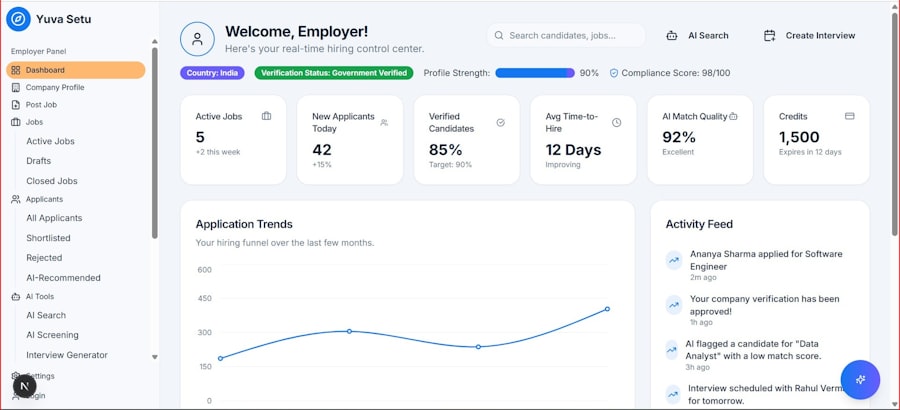
Chatbots and virtual assistants have become integral components of modern customer service and engagement strategies. These AI-driven tools are designed to interact with users in real-time, providing assistance and information based on user queries. In the context of content creation, chatbots can serve as valuable resources for generating ideas, drafting content, or even conducting research.
For example, a writer facing a creative block can engage with a chatbot designed for brainstorming ideas. By inputting keywords or themes, the chatbot can generate a list of potential topics or angles for exploration. This collaborative approach not only stimulates creativity but also helps writers overcome obstacles in their creative processes.
Additionally, virtual assistants like Google Assistant or Amazon’s Alexa can aid in content creation by providing quick access to information or resources. Writers can use voice commands to search for statistics, definitions, or examples while drafting their work. This seamless integration of AI into the writing process enhances productivity by allowing creators to focus on their craft rather than getting bogged down by research tasks.
Augmented Reality and Virtual Reality Content Creation
The integration of augmented reality (AR) and virtual reality (VR) into content creation represents a significant leap forward in how audiences experience digital media. These immersive technologies enable creators to develop interactive experiences that engage users on a deeper level than traditional formats allow. By blending digital elements with the real world or creating entirely virtual environments, AR and VR open up new possibilities for storytelling and engagement.
In the realm of marketing, brands are increasingly leveraging AR to create interactive advertisements that captivate consumers’ attention. For instance, furniture retailers like IKEA have developed AR applications that allow customers to visualize how furniture pieces would look in their homes before making a purchase. This not only enhances the shopping experience but also reduces the likelihood of returns due to mismatched expectations.
Similarly, VR has found applications in various fields such as education, training, and entertainment. Educational institutions are utilizing VR simulations to provide students with immersive learning experiences that enhance understanding and retention of complex concepts. For example, medical students can practice surgical procedures in a virtual environment before performing them on real patients.
This hands-on approach fosters confidence and competence while minimizing risks associated with traditional training methods.
Ethical Considerations in AI-Generated Content
As AI continues to play an increasingly prominent role in content creation, ethical considerations surrounding its use have come to the forefront of discussions among creators, marketers, and consumers alike. One major concern is the potential for misinformation generated by AI systems. Given that these technologies rely on existing data to produce new content, there is a risk that they may inadvertently propagate false information or reinforce biases present in their training datasets.
Moreover, issues related to authorship and intellectual property arise when considering AI-generated content. If an article or piece of art is created entirely by an AI system, questions emerge regarding who holds the rights to that work—the creator of the algorithm or the user who prompted its generation? Establishing clear guidelines around ownership is essential as we navigate this evolving landscape.
Transparency is another critical ethical consideration in AI-generated content. Consumers have a right to know when they are interacting with AI-generated material versus human-created work. Disclosing the use of AI in content creation fosters trust between creators and audiences while ensuring accountability for the information presented.
As we continue to explore the capabilities of AI in content creation, it is imperative that we address these ethical challenges head-on. By fostering open dialogue among stakeholders—creators, technologists, policymakers, and consumers—we can work towards establishing best practices that promote responsible use of AI while harnessing its potential for innovation in the digital landscape.
