

The world of crypto trading, once a complex labyrinth best navigated by seasoned techies and financial pros, is becoming surprisingly more accessible thanks to artificial intelligence (AI). Essentially, AI is stripping away many of the technical barriers and knowledge gaps that kept everyday people from dipping their toes into the crypto market. It’s like having a super-smart assistant that handles the complicated bits, allowing more individuals to participate.
Before AI entered the scene, getting into crypto trading felt like needing a specialized degree. There was so much jargon, technical analysis, and understanding of blockchain intricacies. AI is changing that by making the initial steps much less daunting.
Simplifying Onboarding and Education
Learning the ropes of cryptocurrency can be a steep curve. AI-powered tools are now stepping in to simplify this, making it less like deciphering an ancient text and more like using a friendly app.
Interactive Learning Modules
Think of AI not just as a trading bot, but as a personalized tutor. Many platforms now use AI to create interactive learning experiences. These aren’t just static articles or videos; they adapt to your learning pace and understanding. If you’re struggling with a concept like “staking,” the AI can provide additional examples or rephrase explanations until it clicks. This tailored approach makes complex topics like DeFi or tokenomics digestible, reducing the initial knowledge barrier.
Chatbots for Instant Support
Have a quick question about gas fees or how to set up a stop-loss order? Instead of waiting for customer service or sifting through FAQs, AI-powered chatbots can provide immediate, accurate answers. These aren’t your typical rule-based chatbots; they’re often trained on vast amounts of crypto-related data, allowing them to understand context and provide more nuanced support. This instant access to information empowers new traders to make informed decisions without feeling lost.
Automating Complex Strategies
Even if you understood the basics, executing sophisticated trading strategies used to require a deep dive into technical indicators and market psychology. AI is now taking on the heavy lifting.
Algorithmic Trading Bots
This is perhaps one of the most obvious ways AI democratizes trading. Algorithmic trading bots, once the domain of institutional investors, are now readily available to retail traders. These bots can execute trades based on pre-defined parameters – buying when certain indicators align, selling at profit targets, and implementing stop-losses. This means you don’t need to be glued to your screen or master intricate technical analysis to employ sophisticated strategies.
Portfolio Rebalancing and Management
Maintaining a diversified crypto portfolio and rebalancing it regularly to mitigate risk or capture new opportunities can be time-consuming. AI-driven portfolio management tools can do this automatically. Based on your risk tolerance and investment goals, they can reallocate your assets, ensuring your portfolio stays optimized without constant manual intervention. This frees up new traders to focus on understanding the market rather than constantly managing their holdings.
As the landscape of cryptocurrency continues to evolve, the accessibility of trading platforms is becoming increasingly important. A related article that delves into the broader implications of cryptocurrency innovation is titled “Dubai Launches World’s First State-Sponsored Cryptocurrency.” This article explores how government involvement in the crypto space can enhance legitimacy and foster a more inclusive trading environment. You can read more about it here: Dubai Launches World’s First State-Sponsored Cryptocurrency.
Smarter Decision-Making for Everyone
The crypto market is notoriously volatile and influenced by a dizzying array of factors. Making sense of it all to make sound trading decisions is a huge challenge. AI offers a powerful lens to cut through the noise.
Predictive Analytics and Market Insights
Gone are the days where only financial institutions with vast data science teams could predict market movements. AI is bringing sophisticated predictive capabilities to the average trader.
Price Trend Forecasting
AI models can analyze historical price data, trading volumes, social media sentiment, news headlines, and even on-chain metrics to identify patterns and predict potential future price movements. While no AI can guarantee perfect predictions (it’s crypto, after all!), these tools can provide probabilities and highlight potential trends, giving traders an informed edge they wouldn’t otherwise have. Instead of relying on gut feelings, traders can leverage data-driven insights.
Sentiment Analysis
The crypto market is heavily influenced by sentiment. A single tweet from an influential figure or a major news event can send prices soaring or plummeting. AI-powered sentiment analysis tools monitor social media, news outlets, and online forums, identifying the prevailing mood towards specific cryptocurrencies. This allows traders to gauge market sentiment in real-time, helping them anticipate potential shifts in price direction and make more timely decisions.
Risk Management Tools
Risk is inherent in crypto trading, but AI can help in managing and mitigating it, making the market less intimidating.
Personalized Risk Assessment
Before AI, figuring out your risk tolerance often involved boilerplate questionnaires. Now, AI can analyze your trading history, portfolio holdings, age, and even responses to psychological questionnaires to provide a more accurate and personalized risk profile. This helps traders understand how much risk they’re truly comfortable with and ensures their trading strategies align with that comfort level.
Volatility Alerts and Stop-Loss Optimization
Crypto is known for its dramatic swings. AI tools can monitor market volatility in real-time and issue alerts when significant price movements are detected. Furthermore, AI can help optimize stop-loss orders. Instead of just picking an arbitrary percentage, AI can analyze historical volatility and market conditions to suggest optimal stop-loss levels that maximize potential gains while minimizing downside risk, all tailored to a specific asset or trading strategy.
Enhancing Security and Trust

One of the biggest concerns for newcomers to crypto is security. The headlines are full of hacks and scams. AI is playing a crucial role in building a more secure and trustworthy environment.
Fraud Detection and Prevention
The anonymous nature of some crypto transactions can be exploited by malicious actors. AI is a powerful weapon against these threats.
Anomaly Detection in Transactions
AI algorithms can continuously monitor transactions for unusual patterns. This could be unusually large transfers, transactions to known scam addresses, or a sudden surge in activity from a dormant wallet. By flagging these anomalies, AI helps prevent fraudulent transfers and protects users’ funds. This acts as an invisible shield, catching suspicious activity that human oversight might miss.
KYC/AML Enhancements
Know Your Customer (KYC) and Anti-Money Laundering (AML) processes are vital for regulatory compliance and preventing illicit activities. AI is streamlining these processes, making them faster and more accurate. AI-powered facial recognition, document verification, and background checks can quickly confirm identities, significantly reducing the time and effort required for new users to get approved by exchanges, while simultaneously bolstering security against bad actors.
Smart Contract Auditing
Smart contracts, while revolutionary, can contain vulnerabilities that hackers exploit. AI is stepping in to make them more robust.
Automated Vulnerability Scanning
Manually auditing smart contracts is a meticulous and time-consuming process. AI tools can automatically scan smart contract code for common vulnerabilities, logical errors, and potential exploits. This allows developers to identify and fix issues before deployment, significantly reducing the risk of hacks or financial losses due to flawed code. It adds an extra layer of confidence for those interacting with decentralized applications.
Threat Intelligence Sharing
AI can contribute to a collective security effort by analyzing data from various sources to identify emerging threats and vulnerabilities in the crypto ecosystem. This threat intelligence can then be shared across platforms, allowing exchanges and projects to proactively update their security measures, making the entire crypto space safer for users, including new traders who might not be aware of these evolving threats.
Personalization and User Experience
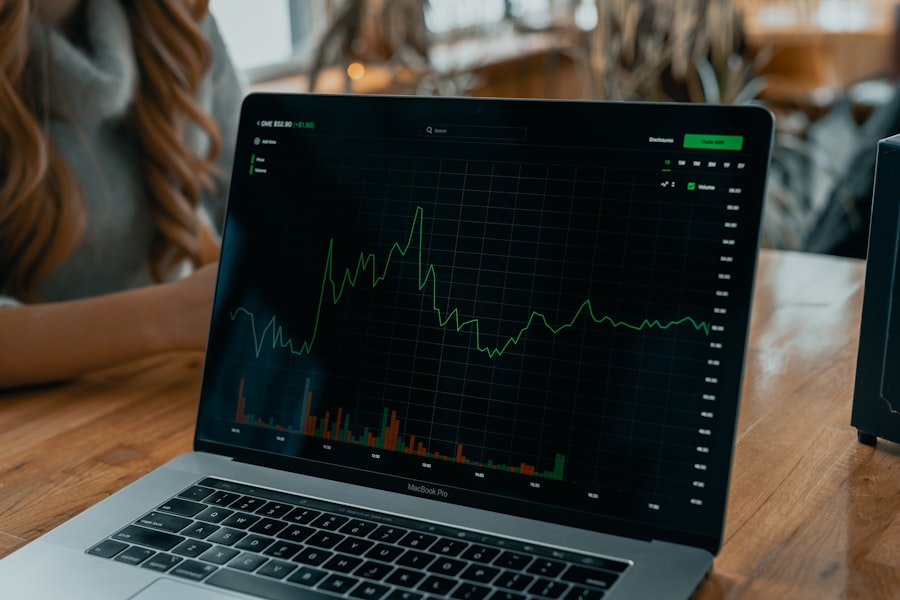
Beyond just trading, AI is making the entire crypto experience more intuitive and tailored to individual needs, which is a major factor in accessibility.
Customized Platform Interfaces
One size doesn’t fit all, especially when it comes to a complex domain like crypto. AI is enabling platforms to adapt to individual users.
Tailored Content Feeds
Imagine opening your crypto app and seeing a news feed that’s actually relevant to the assets you hold or are interested in. AI can analyze your portfolio, trading history, and browsing behavior to curate personalized news, articles, and market updates. This cuts through the immense information overload and presents users with what matters most to them, making information absorption far more efficient.
Adaptive UI/UX
For new users, a cluttered trading interface can be overwhelming. AI can adapt the user interface (UI) and user experience (UX) based on the user’s experience level and preferences. For a beginner, this might mean a simplified view with only essential functions, while experienced traders might see advanced charts and order types. This adaptive design makes navigating crypto platforms less intimidating and more intuitive for everyone.
Personalized Investment Strategies
What works for one trader might not work for another. AI helps craft strategies that are uniquely yours.
Goal-Based Financial Planning
Traditional financial planning can be generalized. AI can take your specific financial goals (e.g., saving for a down payment, retirement, making a certain amount of profit), your risk tolerance, and the current market conditions, then suggest personalized crypto investment strategies. It can even recommend specific assets or diversification approaches that align with your objectives, making crypto feel less like a gamble and more like a structured investment opportunity.
Performance Tracking and Feedback
Understanding how your investments are performing and why can be crucial for learning and improvement. AI-powered dashboards can go beyond just showing gains and losses. They can provide insights into what factors influenced your portfolio’s performance, offer feedback on your trading decisions, and even suggest areas for improvement. This continuous, personalized feedback loop helps traders refine their skills and make better choices over time, fostering growth even for beginners.
As the landscape of cryptocurrency trading evolves, many investors are seeking ways to navigate the complexities of the market more effectively. A related article discusses the potential risks associated with stablecoins, particularly focusing on Tether, which is often seen as a critical player in the crypto ecosystem. This article highlights the importance of understanding the underlying mechanisms of such tokens and their implications for traders. For more insights, you can read about the concerns surrounding Tether in this informative piece.
Lowering Entry Costs and Barriers
The capital requirements and hidden costs of trading used to be significant hurdles. AI is working to chip away at these barriers.
Reduced Transaction Fees through Smart Routing
Transaction fees, especially on certain blockchains, can eat into profits, particularly for smaller trades. AI is helping to mitigate this.
Optimal Exchange Selection
With multiple exchanges offering varying fee structures and liquidity for different assets, choosing the “best” place to execute a trade can be a puzzle. AI-powered smart routing can automatically analyze real-time market data across various exchanges and protocols to find the most cost-effective route for your trade. This means lower transaction fees and better execution prices, making small trades more viable for new investors.
Gas Fee Prediction and Optimization
For transactions on Ethereum and similar networks, “gas fees” can be unpredictable and high. AI algorithms can analyze network congestion and historical gas prices to predict optimal times for transactions, or even dynamically adjust gas limits to ensure trades go through without overpaying. This transparency and optimization help new users avoid unexpectedly high costs, which can be a stumbling block.
Micro-Investing Opportunities
Historically, investing in meaningful amounts required substantial capital. AI is making smaller investments more impactful.
Fractional Ownership Facilitation
AI helps in managing and tracking fractional ownership of cryptocurrencies. While many exchanges allow purchasing fractions of a coin, AI can integrate this into broader automated strategies, allowing users to invest very small amounts regularly, building a diversified portfolio over time without needing large sums of upfront capital.
Automated Dollar-Cost Averaging (DCA)
Dollar-cost averaging, a strategy of investing a fixed amount regularly regardless of price, is ideal for beginners to mitigate volatility. AI-powered tools can fully automate this process. Users can set up recurring investments of even small amounts (e.g., $10-$20 weekly), and the AI will execute these trades automatically. This removes the emotional component of trading and provides a low-risk way for new investors to steadily build their crypto holdings over time.
In conclusion, AI isn’t just a flashy new technology in crypto; it’s a fundamental shift towards making this often-intimidating market accessible to a much broader audience. From simplifying the learning process and automating complex strategies to enhancing security and personalizing the user experience, AI is systematically dismantling the barriers that once kept many away. While vigilance and understanding of crypto’s inherent risks remain crucial, AI is undoubtedly laying the groundwork for a more inclusive and user-friendly future in digital asset trading.
