

AI-powered analytics platforms are becoming incredibly popular because they help businesses make smarter decisions, faster, with less human effort. Think of them as super-smart assistants that can dig through mountains of data, spot hidden patterns, and tell you what’s really going on, often before you even realize you need to know. They’re not just for huge tech companies anymore; businesses of all sizes are finding real value in these tools, and for good reason.
For years, businesses have been collecting an astonishing amount of data. From customer interactions and sales figures to website traffic and supply chain logistics, the sheer volume is mind-boggling. The problem wasn’t a lack of data, but a lack of ability to make sense of it all. Traditional analytics often required highly skilled data scientists, lengthy manual processes, and even then, could miss subtle but important trends.
Overcoming Data Overload
One of the biggest headaches for any organization is data overload. You have countless databases, spreadsheets, and various software spitting out information. Without AI, sifting through this tsunami of data to find meaningful insights is like trying to find a needle in a haystack – if the haystack was constantly growing and occasionally on fire. AI platforms excel at taking this disparate, unstructured data, cleaning it up, and organizing it in a way that humans can understand and act upon. This isn’t just about pretty dashboards; it’s about making data usable.
Automating the Discovery Process
Historically, analysts would spend a significant portion of their time just preparing data for analysis. This involved cleaning, transforming, and integrating data from various sources. AI-powered platforms automate much of this grunt work. They can identify data quality issues, suggest ways to combine datasets, and even automatically create features from raw data that might be useful for predictive modeling. This frees up human analysts to focus on higher-value tasks, like interpreting results and formulating strategies, rather than just crunching numbers.
Uncovering Hidden Patterns
The human brain is amazing, but it has limits, especially when dealing with high-dimensional data. AI algorithms, particularly machine learning models, are designed to detect complex patterns and correlations that might be invisible to the human eye or even traditional statistical methods. These could be subtle shifts in customer behavior, early warning signs of equipment failure, or unexpected relationships between marketing campaigns and sales. This ability to “see” what’s hidden is a huge driver of their popularity.
The surge in popularity of AI-powered analytics platforms can be attributed to their ability to process vast amounts of data quickly and provide actionable insights, which is increasingly crucial in today’s data-driven world. A related article that explores the implications of advanced analytics in the financial sector is the announcement by the CME Group regarding the launch date for Bitcoin futures, which highlights the growing intersection of technology and finance. For more details, you can read the article here: CME Group Announces Bitcoin Futures Launch Date.
Predictive Power: Looking Beyond the Past
Traditional analytics is great for understanding what has happened. But in today’s fast-paced world, businesses need to know what will happen. This is where AI truly shines, moving beyond descriptive analysis to powerful predictive capabilities.
Forecasting with Greater Accuracy
Imagine being able to predict future sales trends with a high degree of accuracy, anticipate customer churn before it happens, or forecast demand for your products months in advance. AI-powered analytics platforms leverage historical data, along with various external factors (like economic indicators, weather patterns, or social media sentiment), to build sophisticated predictive models. These models aren’t perfect, but they offer significantly better accuracy than gut feelings or simple linear extrapolations.
Proactive Decision Making
The ability to predict the future, even imperfectly, transforms decision-making from reactive to proactive. Instead of reacting to a sudden drop in sales, you can identify the likelihood of it happening and adjust your strategy beforehand. If you know a particular customer segment is likely to churn, you can launch targeted retention campaigns. This shift from reacting to anticipating allows businesses to stay ahead of the curve, reduce risks, and seize opportunities more effectively.
Optimizing Business Processes
Beyond just forecasting, AI can optimize various business processes. For instance, in logistics, AI can predict the most efficient delivery routes considering real-time traffic and weather. In manufacturing, it can predict machine maintenance needs before a breakdown occurs, preventing costly downtime. This optimization isn’t just about saving money; it’s about improving efficiency, customer satisfaction, and overall operational excellence.
Democratizing Data: Analytics for Everyone
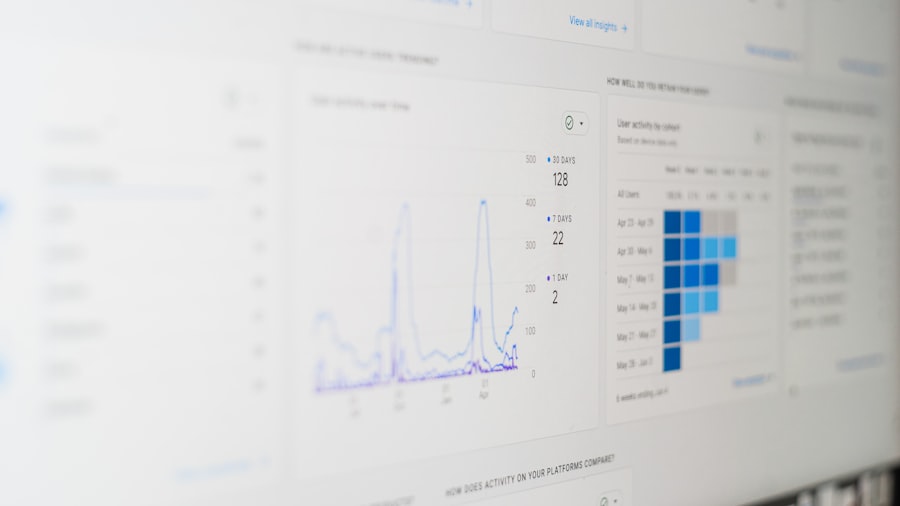
One of the most significant shifts AI-powered analytics brings is making sophisticated insights accessible to a broader audience within an organization, not just a select few data scientists.
User-Friendly Interfaces
Early analytics tools often required specialized technical skills to operate. Modern AI platforms are designed with user-friendliness in mind. They feature intuitive drag-and-drop interfaces, natural language processing (NLP) capabilities that allow users to ask questions in plain English, and automated report generation. This means marketing managers, sales directors, and even operations staff can leverage advanced analytics without needing to be coding experts.
Self-Service Analytics
The rise of self-service analytics is a game-changer. Instead of relying on a centralized data team for every query, individual departments can explore data and generate their own insights. This significantly speeds up decision-making cycles. When a marketing team can immediately see the impact of a campaign on website traffic or sales, they can iterate and optimize much faster than if they had to submit a request and wait for a data analyst to deliver a report.
Reducing Reliance on Data Specialists
While data scientists will always be valuable, AI-powered platforms reduce the bottleneck often created by a limited number of highly specialized individuals. By automating many of the data preparation and basic analysis tasks, these platforms allow data scientists to focus on more complex modeling, algorithm development, and strategic initiatives, rather than routine reporting. This scalability is crucial for organizations dealing with ever-increasing data volumes.
Real-Time Insights: Adapting on the Fly
In today’s dynamic business environment, waiting days or weeks for reports is simply not good enough. The ability to get insights in real-time is crucial for staying competitive.
Monitoring Key Performance Indicators (KPIs) Instantly
AI-powered dashboards can continuously monitor key performance indicators (KPIs) across various business functions. If a significant deviation from expected performance occurs, the system can immediately alert relevant stakeholders. This could be a sudden drop in website conversions, an unexpected spike in customer service calls, or a manufacturing defect. Instant alerts enable immediate investigation and corrective action, minimizing negative impacts.
Responding to Market Changes Quickly
Markets can shift rapidly due to economic factors, competitor actions, or evolving customer preferences. Real-time analytics allows businesses to detect these shifts almost as they happen. For example, if a competitor launches a new product, AI can quickly analyze social media sentiment, news mentions, and initial sales data to assess its impact and inform your immediate response strategy. This agility is a significant competitive advantage.
Personalization at Scale
In customer-facing industries, real-time insights enable hyper-personalization. AI can analyze a customer’s current behavior (e.g., items viewed, time spent on a page, previous purchases) and immediately recommend relevant products, offers, or content. This isn’t just about a better customer experience; it demonstrably leads to increased engagement and conversion rates. The ability to offer a truly personalized experience at scale was largely aspirational before AI-powered analytics became widespread.
The rise of AI-powered analytics platforms can be attributed to their ability to provide businesses with actionable insights and enhance decision-making processes. A related article discusses the potential impact of emerging technologies on the cryptocurrency market, highlighting how platforms like Coinbase are rumored to launch new cryptocurrencies that could benefit from advanced analytics. For more information, you can read the article here. This intersection of AI and cryptocurrency analytics showcases the growing trend of leveraging sophisticated technologies to stay competitive in rapidly evolving markets.
Driving Business Growth and Efficiency
Ultimately, the popularity of AI-powered analytics platforms boils down to their tangible impact on a business’s bottom line – both by increasing revenue and reducing costs.
Identifying Growth Opportunities
By analyzing vast datasets, AI can uncover new market segments, identify unmet customer needs, and spot emerging trends that might represent significant growth opportunities. For instance, an AI might detect a growing interest in a specific product feature among a particular demographic that was previously overlooked, leading to new product development or targeted marketing campaigns.
Enhancing Customer Lifetime Value
Understanding your customers deeply is key to long-term success. AI analytics can segment customers based on purchasing behavior, demographics, and engagement levels, allowing for highly targeted marketing and customer service efforts. By identifying customers at risk of churning, or those with high potential for upselling, businesses can tailor their interactions to increase customer loyalty and lifetime value.
Cost Reduction and Risk Mitigation
Beyond growth, AI also plays a crucial role in cost savings and risk management. Predictive maintenance, optimized supply chains, fraud detection, and efficient resource allocation are all areas where AI can significantly reduce operational costs. By identifying potential risks early, such as financial irregularities or security vulnerabilities, businesses can take preventative measures, avoiding costly incidents down the line.
The explosion in popularity of AI-powered analytics platforms isn’t a fad; it’s a fundamental shift in how businesses operate. They are no longer just “nice-to-have” tools but increasingly becoming essential for any organization looking to make data-driven decisions, stay competitive, and thrive in an increasingly complex and data-rich world. The technology continues to evolve rapidly, becoming more accessible and powerful, ensuring their continued rise in importance.
