

So, the big question in crypto trading right now is something like: “Can AI actually beat out human analysts when it comes to making smart crypto moves?” The short answer is, it’s not as simple as picking a winner. Both AI and human analysts bring unique strengths and weaknesses to the table, and the most effective approach often involves figuring out how they can work together. Think of it less as a competition and more as a powerful partnership.
AI, at its core, excels at processing vast amounts of data at lightning speed. In the fast-paced world of cryptocurrency, this capability is a significant advantage. It can monitor market trends, news feeds, social media sentiment, and on-chain data simultaneously, identifying patterns that a human might miss or take much longer to uncover.
Speed and Data Processing Power
AI algorithms are built to crunch numbers. They can sift through historical price data, volume, order book depth, and a myriad of other metrics in milliseconds. This allows them to detect subtle shifts in market dynamics that could signal an upcoming price movement. For example, an AI might notice a correlation between a specific type of developer activity on a blockchain and a subsequent price surge that wouldn’t be immediately obvious to a human observer analyzing individual data points. This speed isn’t just about processing existing information; it’s about reacting to new information almost instantaneously.
Pattern Recognition and Algorithmic Trading
One of AI’s superpowers is its ability to identify complex patterns. These aren’t just simple trend lines; AI can uncover intricate relationships between different datasets, leading to more sophisticated trading strategies. This is the foundation of algorithmic trading, where AI systems execute trades based on predefined rules derived from these detected patterns.
Identifying Technical Indicators
AI can be trained to recognize a multitude of technical indicators – moving averages, MACD, RSI, Bollinger Bands, and more – and understand how they historically interact to predict price movements. However, AI goes beyond simply identifying these indicators; it can learn to weigh their importance based on market context and identify novel combinations or leading indicators that human analysts might not have thought to explore.
Detecting Anomalies and Outliers
In a market as volatile as crypto, anomalies can represent significant opportunities or risks. AI can be programmed to flag unusual trading volumes, sudden spikes in transaction fees, or unexpected shifts in wallet activity that might indicate insider trading, manipulation, or early signs of adoption. These alerts can give traders a heads-up before the rest of the market catches on.
Sentiment Analysis at Scale
The crypto market is heavily influenced by public perception and chatter on social media. AI-powered sentiment analysis tools can monitor platforms like Twitter, Reddit, and Telegram, gauging the overall mood surrounding specific cryptocurrencies.
Quantifying Social Media Buzz
Instead of a human scrolling through endless tweets, AI can quantify the amount of positive, negative, or neutral mentions for a coin. It can even identify key influencers and track their sentiment shifts. This provides a more objective and broader view of market sentiment than relying on subjective interpretation.
Identifying Emerging Narratives
AI can also pick up on emerging narratives within the crypto space. For instance, if there’s a growing discussion around a particular technological advancement or a new use case for a blockchain, AI can detect this early and alert analysts to potential investment opportunities before they become mainstream knowledge.
In the ongoing debate about the effectiveness of AI versus human analysts in crypto trading, it’s essential to consider various factors that influence market dynamics. A related article that delves into the current state of the cryptocurrency market, particularly in South Korea, can provide valuable insights into how external factors affect trading strategies. You can read more about this topic in the article titled “Despite Rumors, Crypto Ban Not Effect South Korea Yet” available at Cointelligence. This resource highlights the resilience of the market amidst regulatory uncertainties, which is crucial for both AI systems and human analysts to understand when making trading decisions.
The Indispensable Value of Human Analysts
While AI boasts impressive data processing capabilities, human analysts bring crucial elements that AI, in its current form, struggles to replicate: intuition, contextual understanding, and the ability to handle unprecedented situations.
Intuition and Experience
Human analysts possess intuition built over years of observing market cycles, understanding investor psychology, and learning from past mistakes. This gut feeling, while difficult to quantify, can often guide decision-making in ambiguous situations where data alone might be insufficient.
Reading Between the Lines
Market news can be deliberately misleading. Experienced human analysts can often discern underlying motives, identify spin, and understand the true implications of announcements, which an AI might interpret purely on its literal wording. This is particularly relevant in the crypto space, where hype and misinformation are rampant.
Understanding Human Psychology
The crypto market, like most financial markets, is driven by human emotions like fear and greed. Human analysts can better anticipate how these emotions will influence trading behavior, which is a complex variable that AI struggles to fully model. A sudden dip might trigger panic selling, a predictable human response that an AI might not fully account for without specific behavioral programming.
Contextual Understanding and Nuance
AI is excellent at identifying patterns within data, but it often lacks the broader contextual understanding that humans possess. The crypto market is influenced by a complex interplay of global economics, regulatory developments, technological advancements, and geopolitical events.
Geopolitical and Macroeconomic Factors
An AI might see a bearish trend in a specific coin, but a human analyst can connect that to a global economic downturn or a new regulatory clampdown in a major jurisdiction. This ability to integrate disparate pieces of information into a cohesive narrative is vital for accurate market assessment.
Regulatory Landscape Analysis
The regulatory environment for cryptocurrencies is constantly evolving and varies significantly by country. Human analysts can assess the potential impact of new regulations, government statements, or legal challenges on specific projects or the market as a whole. This requires a deep understanding of legal frameworks and political landscapes, which is beyond the current scope of most AI systems.
Adaptability to Novel Situations
AI systems are trained on historical data. When entirely new situations arise, situations that have no precedent in the training data, AI can falter. Human analysts, on the other hand, can leverage their broader understanding and problem-solving skills to adapt and make informed decisions even in uncharted territory.
Black Swan Events
The crypto market has a history of “black swan” events – unpredictable, high-impact occurrences that defy conventional forecasting. While AI might struggle to predict or react to such events, human analysts, armed with a holistic understanding of the market and its participants, can better navigate the ensuing chaos.
Emerging Technologies and Use Cases
When a new blockchain technology or a novel use case emerges, it may not have a substantial historical data trail for AI to analyze. Human analysts, with their ability to research, evaluate innovation, and project future potential, are better equipped to identify promising emerging trends in these early stages.
Synergies: How AI and Human Analysts Can Collaborate
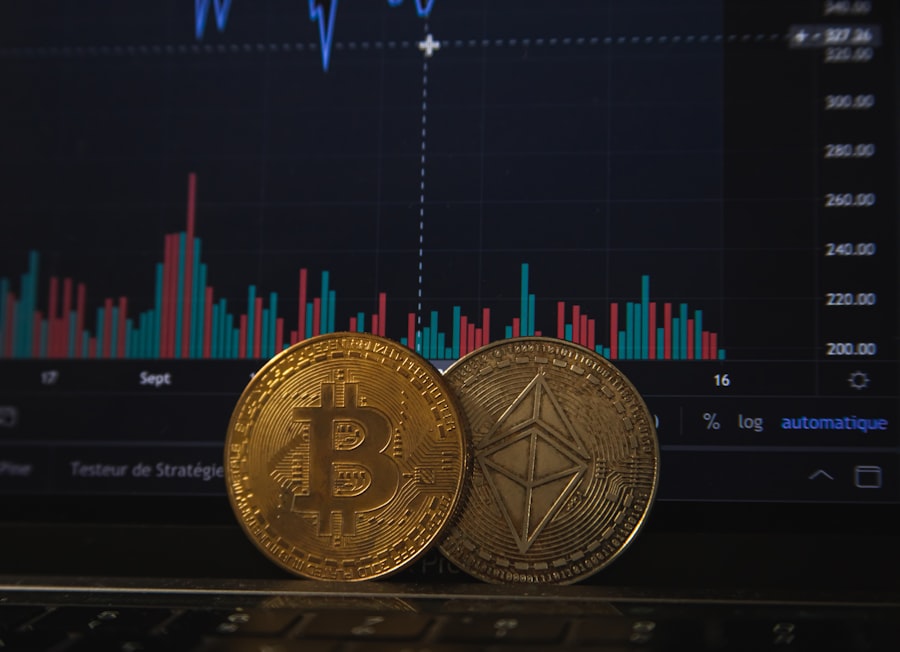
The most effective approach to crypto trading often lies in leveraging the complementary strengths of AI and human analysts, creating a powerful synergistic relationship.
AI as a Decision Support Tool
AI can act as an incredibly powerful assistant to human analysts, automating tedious tasks and providing data-driven insights that inform human judgment.
Data Aggregation and Visualization
AI can swiftly aggregate data from numerous sources, presenting it in a clear and digestible format for human review. This saves analysts significant time and effort in gathering raw information, allowing them to focus on interpretation and strategy.
Alerting and Notification Systems
AI can be programmed to send real-time alerts for significant market movements, news events, or on-chain anomalies. This ensures that human analysts are immediately aware of critical developments that require their attention.
Human Oversight and Strategy Refinement
While AI can identify patterns and generate trading signals, human oversight is crucial for validating these signals, applying strategic thinking, and refining the AI’s approach over time.
Filtering and Validation
Not all AI-generated signals are created equal. Human analysts can review and filter these signals, applying their market knowledge and experience to determine which ones are genuinely actionable and align with their overall trading strategy.
Adapting AI Models
Human analysts can identify situations where an AI model is underperforming or producing suboptimal results. They can then provide feedback to AI developers or adjust the parameters of the AI system to improve its accuracy and effectiveness.
Developing Hybrid Trading Strategies
The ultimate goal is often to develop hybrid trading strategies that seamlessly integrate AI capabilities with human decision-making.
AI for Idea Generation, Humans for Execution
AI can be used to generate a multitude of trading ideas based on pattern recognition. Human analysts can then assess these ideas for their viability, risk-reward profile, and alignment with market sentiment before committing capital.
Continuous Learning Loops
A well-designed hybrid system creates a continuous learning loop. AI provides data-driven insights, humans provide qualitative judgment and strategic direction, and the performance of the trades then feeds back into refining both the AI’s algorithms and the human analysts’ understanding.
Challenges and Limitations of Each Approach

Despite their respective strengths, both AI and human analysts face significant hurdles in the complex world of crypto trading.
AI’s Challenges
Data Quality and Bias
AI models are only as good as the data they are trained on. Inaccurate, incomplete, or biased data can lead to flawed analysis and poor trading decisions. The crypto market, with its nascent and sometimes opaque data sources, presents unique challenges in this regard.
Explainability and Transparency (The “Black Box” Problem)
Many advanced AI algorithms, particularly deep learning models, operate as “black boxes.” It can be difficult to understand why an AI made a particular recommendation, which can be a significant barrier to trust and adoption for human traders who need to understand the rationale behind their decisions.
Overfitting and Adaptability to New Market Regimes
AI models can become overfitted to historical data, meaning they perform well on past patterns but struggle to adapt to new market conditions or unforeseen shifts in behavior. The crypto market is notorious for its rapid evolution, making adaptability a critical factor that AI struggles with.
Human Analysts’ Challenges
Emotional Biases and Cognitive Errors
Human traders are susceptible to emotional biases like fear of missing out (FOMO), greed, overconfidence, and confirmation bias. These can lead to irrational trading decisions that deviate from logical analysis.
Limited Processing Capacity
Compared to AI, humans have a significantly lower capacity to process and analyze vast amounts of data in real-time. This can lead to missed opportunities or delayed reactions to market events.
Subjectivity and Inconsistency
Human analysis can be subjective, leading to inconsistencies in decision-making. Different analysts, even with the same information, might arrive at different conclusions.
In the ongoing debate about the effectiveness of AI versus human analysts in crypto trading, a recent article explores the implications of security token offerings and their potential impact on the market. This insightful piece highlights how advancements in technology can complement human intuition, creating a more robust trading environment. For a deeper understanding of this evolving landscape, you can read the full article on security token offerings here.
The Future of Crypto Trading: An Integrated Ecosystem
The trajectory of crypto trading automation and analysis points towards an integrated ecosystem where AI and human analysts work in concert, each playing a vital role in navigating the volatile digital asset landscape.
The Rise of AI-Enhanced Platforms
We are already seeing a proliferation of trading platforms and tools that incorporate AI-powered features. These platforms offer sophisticated analytics, automated trading strategies, and sentiment analysis tools, all designed to augment human capabilities.
Algorithmic Trading Bots with Human Interfaces
Instead of fully autonomous AI traders, the future likely holds more intelligent trading bots that provide recommendations and execute certain trades under human supervision. These bots will offer detailed explanations for their actions, fostering trust and allowing for nuanced adjustments.
Personalized AI Assistants
Imagine an AI assistant that learns your specific trading style, risk tolerance, and preferred analytical approaches. This personalized AI could then proactively surface relevant information, flag potential trades, and even offer insights tailored to your unique needs.
The Evolving Role of Human Analysts
The role of the human analyst will likely evolve from pure data cruncher to more of a strategic interpreter and overseer.
Focus on Higher-Level Strategy and Risk Management
Human analysts will increasingly focus on developing overarching trading strategies, managing complex risks, and understanding the macro-economic and geopolitical factors that influence the crypto market. They will be the visionaries, setting the direction for the AI.
Interpreting AI Outputs and Ensuring Ethical Use
A key responsibility for human analysts will be to critically interpret the outputs of AI systems, ensuring their recommendations are sound and ethically implemented. They will act as the ethical compass, preventing AI from making decisions based on potentially biased data or flawed algorithms.
Continuous Learning and Adaptation as a Shared Responsibility
Both AI and humans will need to engage in continuous learning to keep pace with the rapidly evolving crypto market.
AI’s Need for Human Feedback Loops
AI algorithms will require ongoing feedback from human analysts to adapt to new market regimes, correct errors, and improve their predictive capabilities. This feedback loop is essential for the AI’s growth and accuracy.
Humans Staying Ahead of AI Capabilities
As AI advances, human analysts will need to continually develop their own skills and understanding of advanced analytical techniques and market dynamics to remain relevant and to effectively oversee and leverage AI tools.
In conclusion, the “AI vs. Human Analysts” debate is less about a winner and more about a symbiotic relationship. AI offers unparalleled speed, data processing, and pattern recognition, while humans bring intuition, contextual understanding, and adaptability. The most successful crypto traders of the future will be those who can effectively integrate these powerful forces, creating a more informed, efficient, and potentially profitable trading ecosystem. It’s about building smarter tools and then using those tools wisely.
