

The world of cryptocurrency trading is a wild one, and unfortunately, it’s not always about groundbreaking tech and future-defining assets. Sometimes, it’s about scams, and one of the nastiest is the “rug pull.” Simply put, a rug pull is when the developers of a new crypto project suddenly abandon it, taking all the investors’ money with them. It’s like a magic trick where the magician disappears, but instead of applause, you’re left with an empty wallet. The good news? Artificial intelligence (AI) is becoming an increasingly powerful ally for traders looking to spot these traps before they get caught. AI can analyze vast amounts of data and identify patterns that human eyes might miss, offering a valuable early warning system.
Before we dive into how AI helps, it’s useful to get a grasp on what a rug pull actually looks like under the hood. They aren’t always glaringly obvious, which is why they work so effectively.
Common Tactics Used in Rug Pulls
There’s no single blueprint, but many rug pulls share common characteristics that, once you know them, become easier to spot.
Liquidity Removal
This is perhaps the most classic form. Developers create a token, pair it with a major cryptocurrency like Ethereum or BNB on a decentralized exchange (DEX), and then pump up the price. Once enough investors have bought in, they withdraw all the paired cryptocurrency from the liquidity pool, effectively making the token worthless and leaving investors holding the bag.
Code Exploits
Sometimes, the scam is baked directly into the smart contract. This could be a “minting function” that allows the developers to create an unlimited supply of tokens, diluting existing holders’ value to zero. Or, it could be a “honey pot” where users can buy the token but not sell it. These are trickier to spot without technical expertise.
Deceptive Marketing and Community Engagement
Rug pullers are often masters of persuasion. They create elaborate websites, fake social media accounts, and hire influencers to generate hype. They’ll promise unrealistic returns, claim partnerships with well-known entities (often fabricated), and foster a highly engaged but ultimately artificial community.
Token Supply Manipulation
Watch out for situations where a large portion of the token supply is held by a few addresses, particularly the developers. This concentration gives them immense power to dump tokens and crash the price.
In the rapidly evolving world of cryptocurrency, the potential for artificial intelligence to assist traders in identifying rug pulls is becoming increasingly significant. A related article that explores the intersection of technology and the crypto industry is available at FashionTV Brings the Fashion Modeling Industry into the Cryptocurrency Space. This piece highlights how innovative approaches, much like those employed in AI-driven trading strategies, are transforming various sectors, including fashion and finance, by leveraging blockchain technology.
AI’s Role in Data Collection and Analysis
The sheer volume of data in the crypto space makes it an ideal playground for AI. It’s not just about looking at a few charts; it’s about connecting countless dots.
Gathering Information from Diverse Sources
AI systems can act like super-efficient detectives, pulling in information from all corners of the internet.
On-Chain Data Analysis
This is the bedrock. AI can monitor blockchain transactions in real-time, looking at wallet addresses, transaction volumes, liquidity pool changes, and token distributions.
- Wallet Activity: AI can track developer wallets for unusual selling patterns or large transfers to other addresses.
- Liquidity Pool Monitoring: Sudden drops in liquidity are a huge red flag. AI can alert traders to these changes almost instantly.
- Tokenomics Review: Analyzing the initial token distribution and current holdings can reveal if too much power is concentrated in a few hands.
Off-Chain Data Scrutiny
Beyond the blockchain itself, there’s a wealth of other information.
- Social Media Sentiment: AI can analyze posts, comments, and engagement across platforms like Twitter, Telegram, and Discord for shifts in sentiment, identifying unusual hype, sudden silence, or an abundance of generic, bot-like comments.
- News and Media Monitoring: AI can scour news articles and crypto publications for mentions of the project, looking for inconsistencies, lack of coverage, or negative reports.
- Website and Whitepaper Examination: AI can check for plagiarism, generic content, broken links, or overly ambitious and unrealistic claims within a project’s documentation. It can even detect if a website was created very recently or if the team photos are stock images.
Identifying Patterns and Anomalies
This is where AI truly shines. It’s not just about collecting data, but making sense of it.
Behavioral Pattern Recognition
AI can learn what “normal” growth and activity look like for a legitimate crypto project. Any deviation from these established patterns can trigger an alert.
- Unusual Trading Volumes: A new token seeing massive trading volume and price increases in a very short period, often followed by a sudden drop, is a classic rug pull signal. AI can spot these spikes and crashes quickly.
- Developer Wallet Activity: AI can flag instances where developer wallets start selling off tokens en masse, especially when paired with a sudden drop in liquidity.
Predictive Modeling
Advanced AI models can even attempt to predict the likelihood of a rug pull based on historical data of known scams.
- Risk Scoring: By combining multiple indicators, AI can assign a risk score to a new project, helping traders prioritize their research.
AI-Powered Red Flag Detection

Once AI has processed all this data, it can then highlight specific “red flags” that indicate a potential rug pull.
Smart Contract Vulnerability Detection
This is a technical area where AI can provide immense value, even for non-technical traders.
Code Audits and Analysis
AI can rapidly scan smart contract code for common vulnerabilities or malicious functions.
- Honeypot Identification: AI can detect code that prevents users from selling tokens after buying them.
- Minting Function Presence: AI can flag contracts that allow developers to endlessly create new tokens, devaluing existing ones.
- Proxy Contracts: AI can identify if a contract is upgradeable via a proxy, which could allow developers to change the contract’s logic later to malicious ends.
Ownership and Permissions
AI can check who has control over critical functions within the smart contract.
- Renounce Ownership Check: A contract where ownership hasn’t been renounced (meaning the original deployer still has control) is a higher risk. AI can easily flag this.
- Pause Function: If the developers can pause trading at will, this is a potential exploit that AI can identify.
Market Manipulation Indicators
Beyond the code, AI looks at how the market itself is behaving.
Liquidity Pool Dynamics
The health and stability of the liquidity pool are crucial.
- Insufficient Locked Liquidity: If a significant portion of the liquidity isn’t locked for a substantial period, AI will flag this as a major risk. This means developers can pull it out easily.
- Whale Activity: AI can identify large wallets (whales) buying and selling in patterns that suggest coordinated manipulation.
Price and Volume Discrepancies
AI can spot unnatural movements that human eyes might miss in the flurry of trading.
- Pump and Dump Patterns: AI is excellent at recognizing sudden, artificial price pumps followed by equally sharp dumps, characteristic of manipulative schemes.
- Low Trading Volume, High Price: If a token’s price is soaring but the actual trading volume is very low, it could be a sign of wash trading or artificial price inflation.
AI Tools and Platforms for Traders
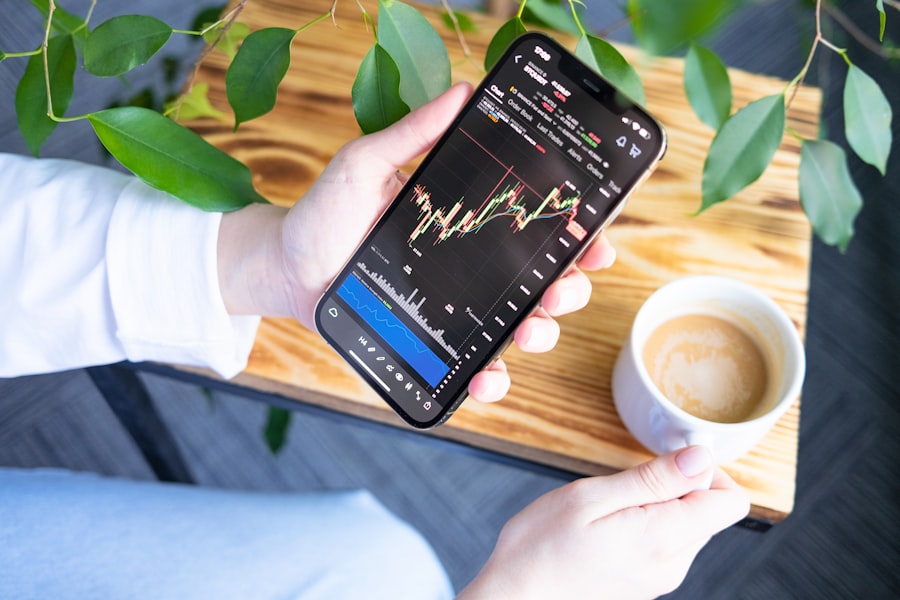
So, how do traders actually get their hands on this AI power? There are a growing number of tools and platforms emerging.
Dedicated AI Crypto Scanners
These platforms are built specifically for identifying risks in new tokens.
Real-Time Alerts
Many of these tools offer instant notifications when a potential rug pull indicator is detected for a token you’re watching or considering.
- API Integrations: Some tools provide APIs that can be integrated into a trader’s existing systems for automated monitoring.
Comprehensive Project Reports
Instead of just a simple alert, these tools often generate detailed reports outlining all the red flags and risk factors identified by the AI.
- Risk Scores: A numerical score indicating the overall risk level of a project, making it easier for traders to make quick decisions.
- Detailed Breakdown of Risks: Specific explanations for each identified vulnerability or anomaly, giving traders context.
Integrating AI with Trading Strategies
AI isn’t just about spotting scams; it can be integrated into broader trading strategies.
Automated Watchlists
Traders can use AI to automatically populate and manage watchlists of new tokens, filtering out high-risk projects.
- Customizable Thresholds: Users can set their own tolerance levels for different risk indicators.
Backtesting and Simulation
While more advanced, AI can be used to backtest potential trading strategies against historical rug pull data, refining how traders react to certain signals.
- Scenario Analysis: Simulating different market conditions and AI alerts to see how various trading responses would have performed.
In the rapidly evolving world of cryptocurrency, traders are increasingly turning to innovative solutions to safeguard their investments. A recent article discusses how AI can help traders identify rug pulls, which are fraudulent schemes that can lead to significant financial losses. For those interested in understanding the broader market dynamics, you might find it insightful to explore how the overall cryptocurrency market cap has recently hit a record of $200 billion. This information can provide valuable context for the importance of vigilance in trading practices. To read more about this market milestone, check out the article here.
Limitations and Future of AI in Crypto Security
While AI is a powerful tool, it’s not a magic bullet. It has its limitations, and the landscape is always evolving.
AI is Not Infallible
It’s crucial to remember that AI models are only as good as the data they’re trained on and the algorithms they use.
Evolving Scam Tactics
Rug pullers are constantly adapting their methods. What AI identifies as a red flag today might be subtly bypassed tomorrow.
- Adversarial Attacks: Scammers might intentionally introduce data noise or use obfuscation techniques to fool AI detection systems.
False Positives and Negatives
No AI system is 100% accurate.
- False Positives: Legitimate projects might occasionally trigger an alert due to unusual but harmless activity.
- False Negatives: Some sophisticated scams might slip through the AI’s detection, appearing legitimate.
The Human Element Remains Crucial
AI should be seen as an assistant, not a replacement for human judgment.
Due Diligence is Still Key
Traders should always conduct their own research and not solely rely on AI alerts.
- Community Engagement: Actively participating in a project’s community (with a critical eye) can reveal a lot that AI might miss, like the genuine enthusiasm (or lack thereof) of the team and community.
- Team Research: Investigating the backgrounds of the project’s team members is something AI can assist with, but a human ultimately needs to evaluate the findings.
Continuous Learning and Adaptation
Both traders and AI systems need to continuously learn and adapt to new threats.
- AI Model Updates: Developers of AI crypto security tools must constantly update their models with new data and adapt to emerging scam techniques.
- User Feedback: Feedback from traders using these tools is invaluable for improving their accuracy and effectiveness.
In conclusion, the rise of AI offers a significant advantage for cryptocurrency traders navigating the treacherous waters of rug pulls. By efficiently collecting and analyzing vast datasets, identifying subtle patterns, and flagging critical red flags, AI provides an early warning system that can save investors from substantial losses. However, it’s important to approach these tools with a practical mindset: they are powerful aids, but they don’t negate the need for personal due diligence and critical thinking. As the crypto space matures, the synergy between human intelligence and artificial intelligence will be paramount in fostering a safer trading environment for everyone.
